

In situ Hybridization
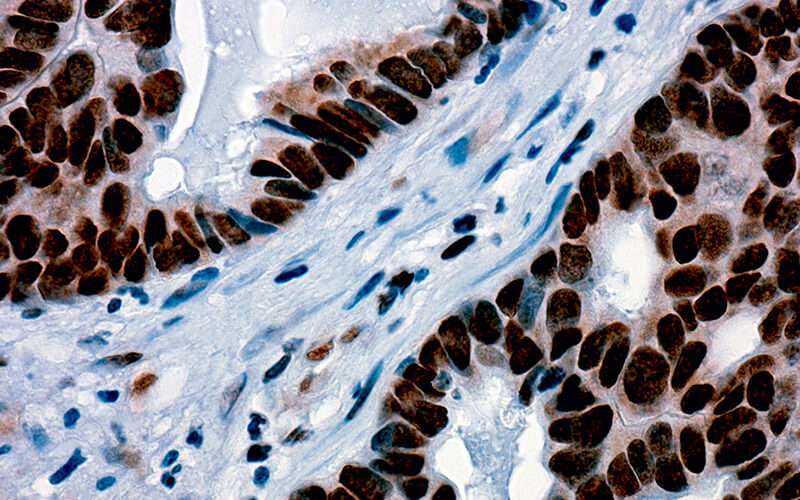
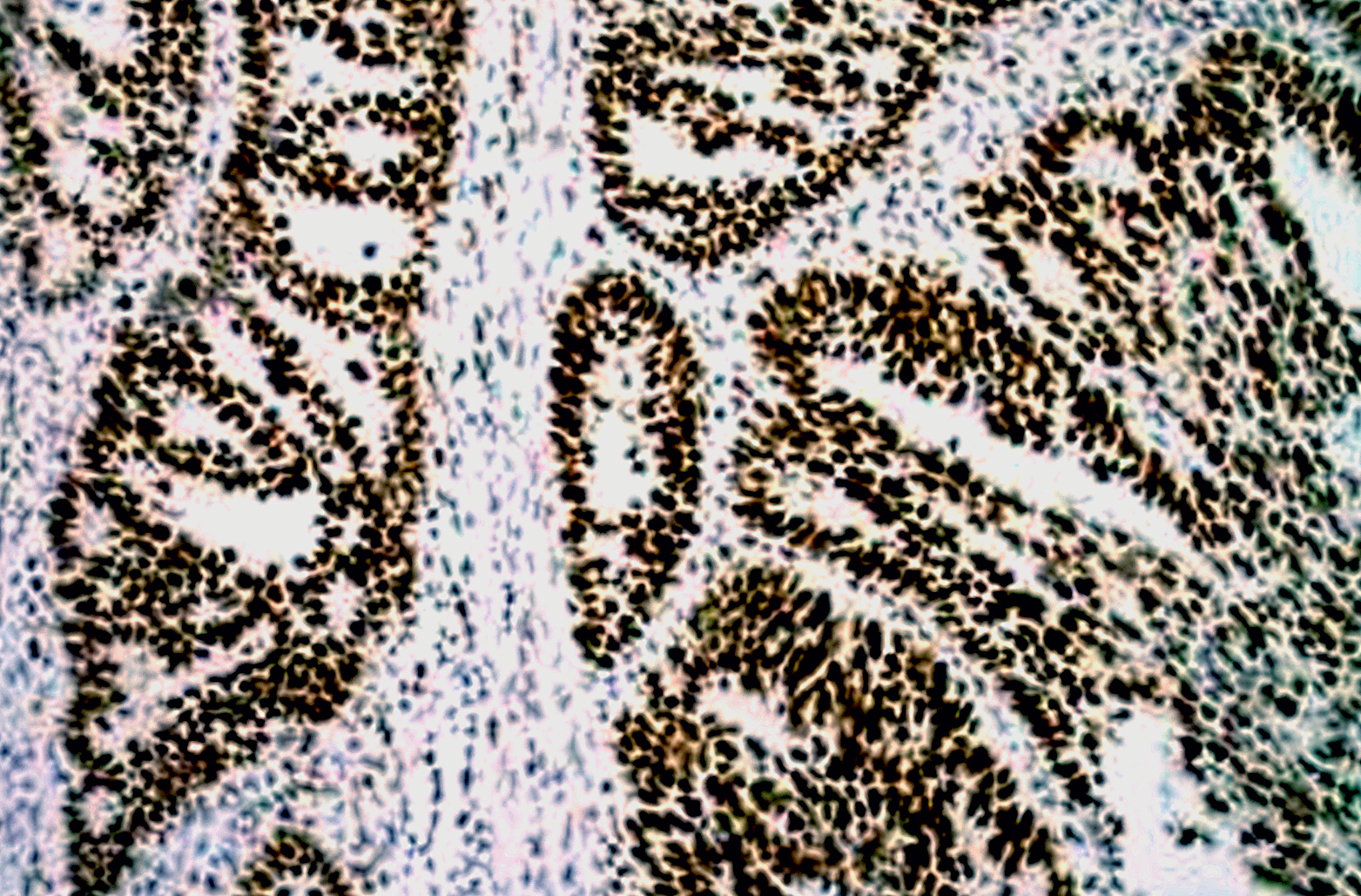
In situ Hybridization (ISH) is a robust and sensitive molecular technique utilized for the precise detection and localization of specific nucleic acid sequences within histological sections. The fundamental principle underlying ISH is based on the complementary hybridization between a target nucleic acid sequence present in the tissue specimen and a specifically designed nucleic acid probe conjugated with a detectable reporter molecule.
Commonly employed non-radioactive labels for these probes include fluorescein and digoxigenin. The hybridized probe-target complex is subsequently visualized through detection methods specific to the reporter molecule, allowing accurate localization and characterization of DNA or RNA sequences within cellular or tissue contexts. ISH thus provides critical spatial information regarding gene expression patterns and nucleic acid distribution, greatly facilitating biological and pathological investigations.